
Image Credit: 🔗Risk Mitigation by Shane Howard
Welcome back to the professional student! Last week, I shared my experience living through Tropical Storm Helene in Western North Carolina and offered some insights into small business recovery from a community and economic development perspective.
When disaster strikes, small business owners have limited options:
- Rely on insurance (if you have it) to cover some losses.
- Seek small business recovery grants.
- Dip into personal savings.
- Borrow money from family or friends.
- Fundraise
- Take out a loan.
- Close up shop.
After speaking with several small business owners, I’ve noticed a common misconception: Many believe that state or federal aid will step in to save them at the same level as public entities. That simply isn’t the case. Here’s why:
As a small business owner, you are a private entity. Being a private entity means assuming 100% of the risk of operating your business.
While state and federal governments may allocate funds for small business recovery, those funds are limited and not guaranteed. Relying on them as your primary safety net is a mistake.
Risk Mitigation: Your Responsibility
Owning a business isn’t just about selling a product or service—it’s about managing risk to ensure long-term resilience.
Let me be crystal clear: As a small business owner, YOU assume 100% of the risk. Say it out loud. Repeat it until it sticks—before you even consider opening a business.
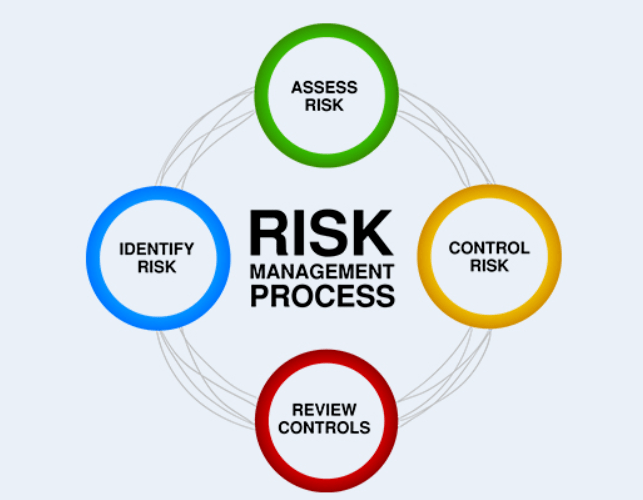
So, what is risk mitigation? In simple terms, it’s the process of reducing threats to your business and safeguarding its future. Effective risk mitigation means putting controls in place to minimize the impact of unforeseen events.
Your goal should be to reduce that 100% risk as much as possible. For example, a restaurant owner minimizes legal risk by adding a disclaimer to their menu about the dangers of consuming raw or undercooked food. If a customer insists on eating a nearly raw steak and gets sick, that disclaimer helps protect the business. Another key risk mitigation strategy is handling and storing perishable food properly to prevent foodborne illnesses. That is risk mitigation—taking proactive steps to prevent disaster.
Want to learn more about risk mitigation strategies? Click the link below:
🔗 Four Types of Risk Mitigation
The First Line of Defense: Insurance
I recently spoke with a business owner who lost critical equipment due to flooding. Desperate for solutions, they asked for help. My first question: “Have you filed an insurance claim?”
To my shock, they had no commercial insurance.
After digging deeper, I discovered North Carolina doesn’t require all business owners to carry commercial insurance. While that may be legal, it’s also a massive risk.
Would you drive a car without insurance? Some people might, but the smart answer is no. The same applies to running a business.
If you cannot afford to protect yourself, your employees, and your assets with a commercial insurance policy, you have no business opening a business. Say it again:
👉 I HAVE NO BUSINESS OPENING A BUSINESS IF I CAN’T PAY FOR A COMMERCIAL INSURANCE POLICY TO PROTECT MYSELF, MY EMPLOYEES, AND MY ASSETS.
It’s that simple. Risk management isn’t optional—it’s essential.
Insurance is a basic first line of defense. Stay tuned for part III when I dive even deeper into steps business owners can take to mitigate risk!
Thanks for stopping by The Professional Student. Don’t forget to like, share, and comment!
 Innovative Leadership and Entrepreneurship: From Grad Student to Graduated
You must be logged in to post a comment.